Protect Your Horses, Your Barn, and Your Property
We evaluate every structure, assess your evacuation logistics, and build a clear plan to reduce wildfire risk on your equestrian property.
Barns Burn Fast
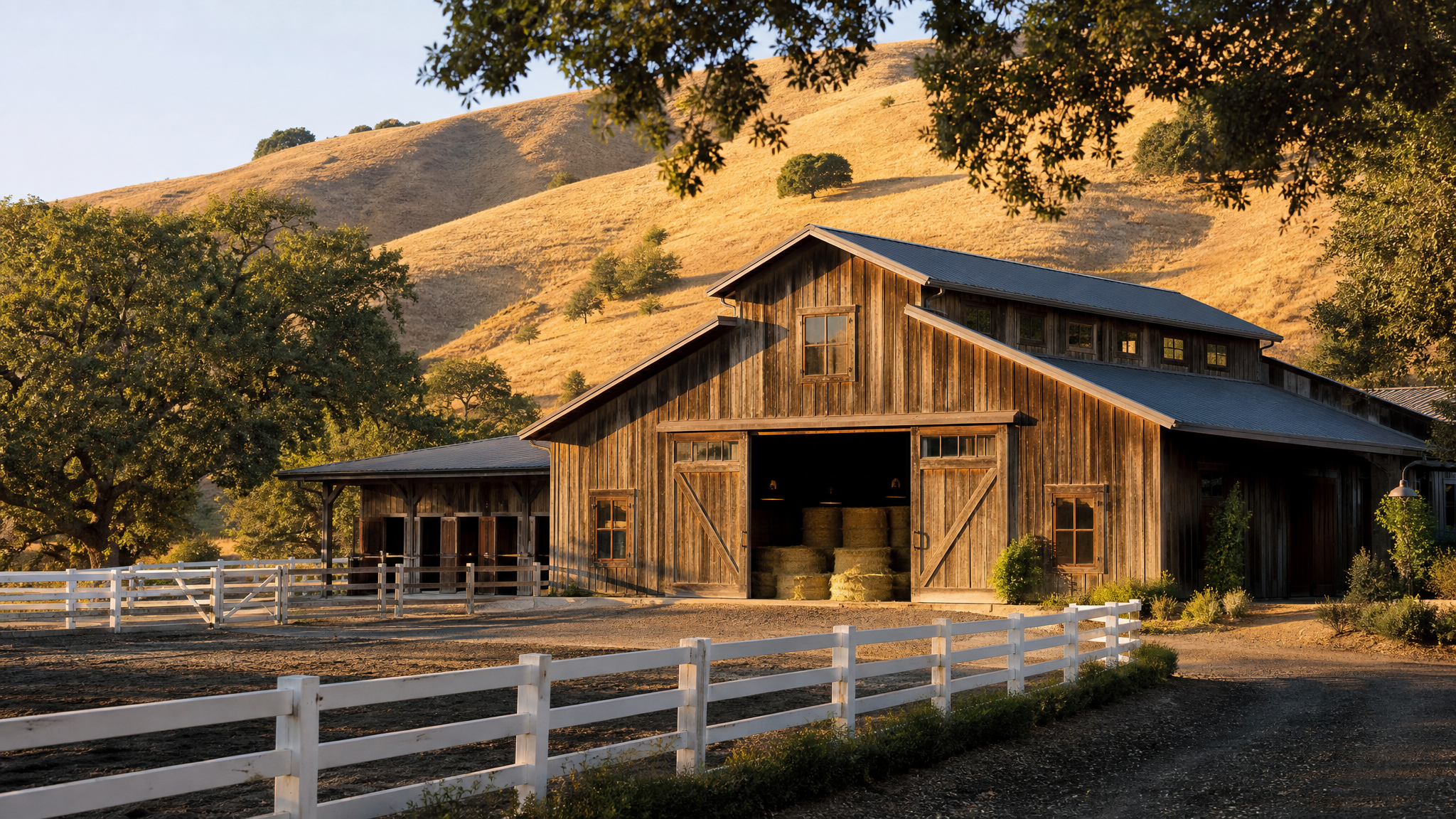
Barns, corrals, and arenas are inherently vulnerable to wildfire due to their construction and ember exposures.
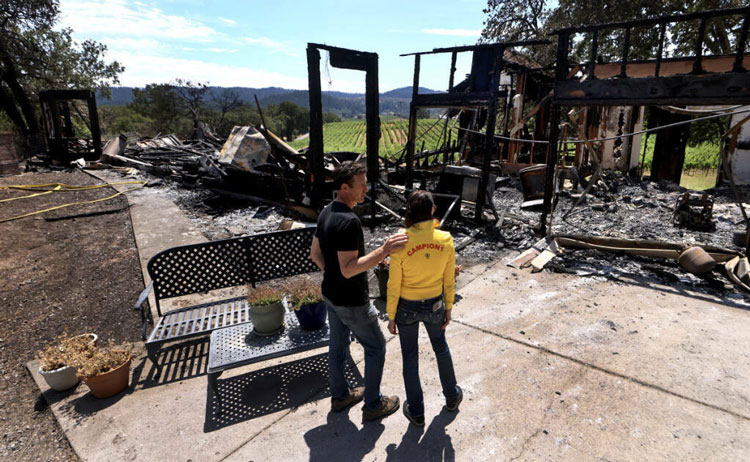
During the 2017 Tubbs Fire and the 2019 Kincade Fire, horse owners across Sonoma County faced a nightmare: evacuating large animals in the dark, with smoke and embers in the air, on congested roads. Some had practiced their plans. Many had not. We can refer you to the Halter Project, an impressive nonprofit that advises on large and small animal evacuation plans.
The properties that fared best were the ones that had defensible space around their barns, clear access for trailers, and a written evacuation plan that everyone on the property understood. Our assessment helps you build exactly that.
We Connect You With the Right Specialists
For large and small animal evacuation planning, WMA strongly recommends the in-depth guidance offered by The Halter Project, a respected organization dedicated to animal evacuation preparedness.
WMA refers clients to trusted specialists in this and other categories, including certified arborists, defensible space contractors, and other qualified professionals, so every part of your property is handled by the right expert.
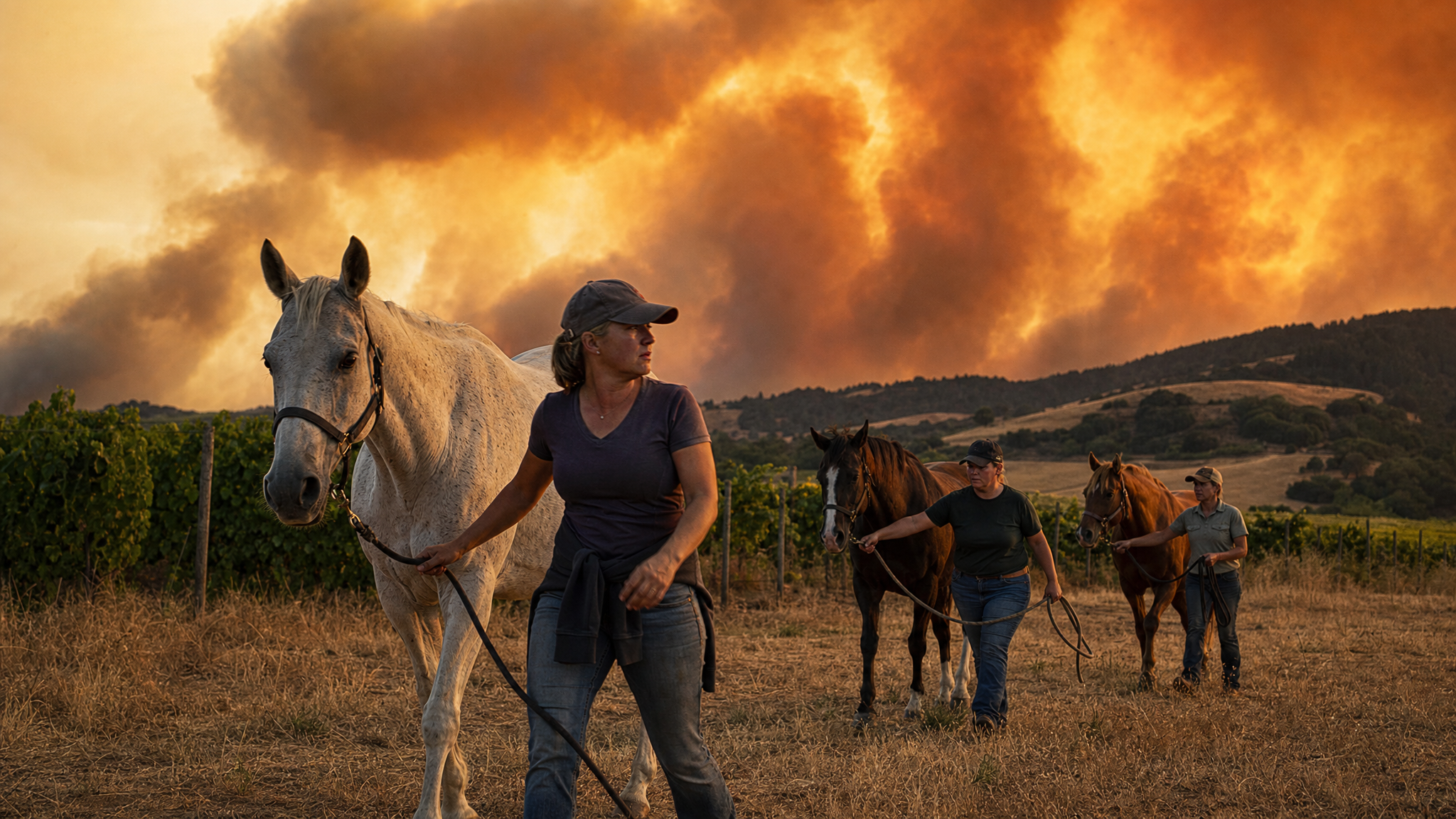
Large-animal evacuation takes far longer than evacuating people. Planning and practice are essential.
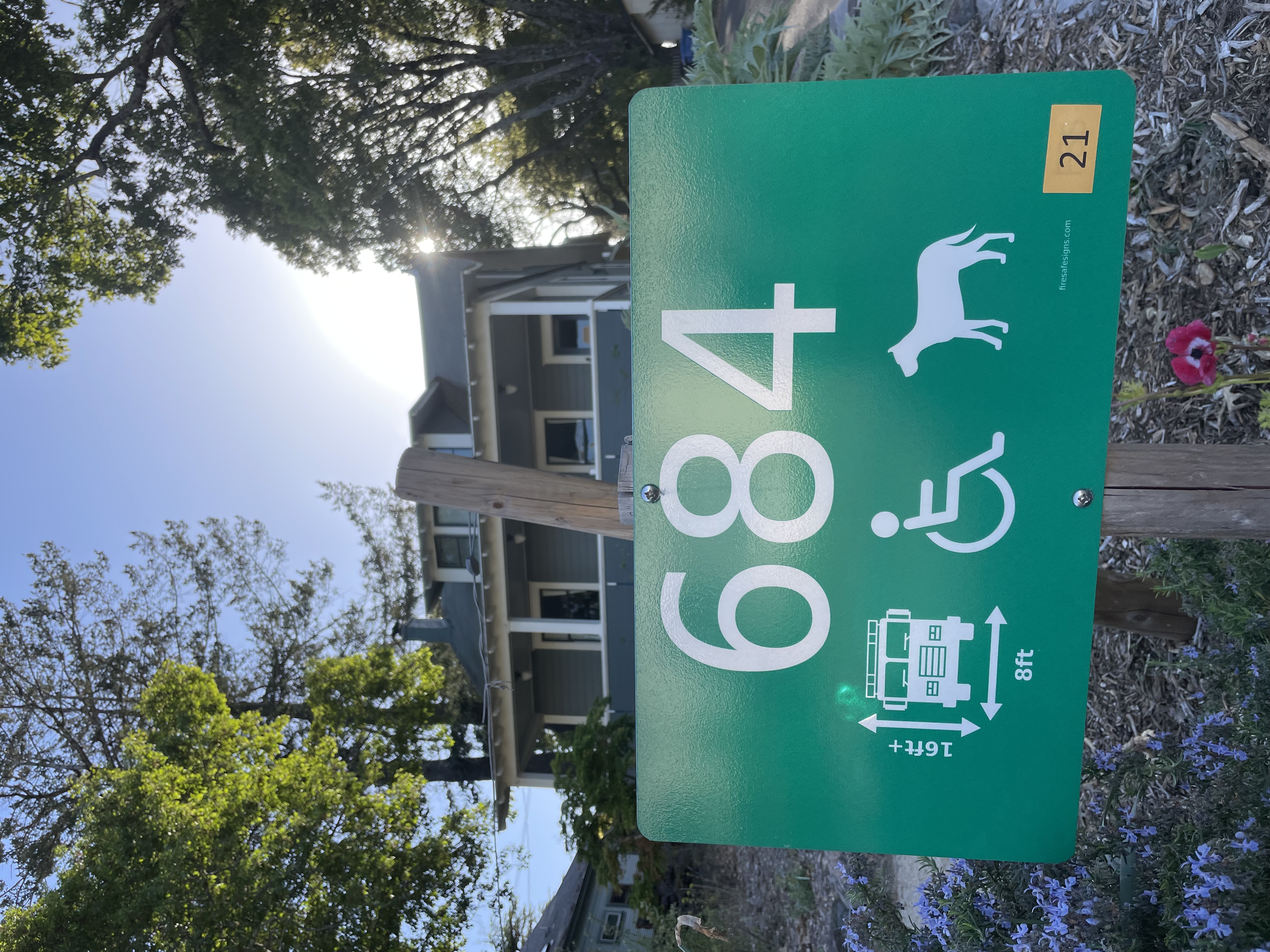
Proper rural addressing with reflective signage, including clearance dimensions for emergency vehicles and trailers. This is exactly the kind of detail that matters during a nighttime evacuation.
What Makes Horse Properties Vulnerable
Hay and Bedding Storage
Concentrated fuel loads that can ignite from a single ember and burn with intense heat.
Wooden Barn Construction
Large spans of combustible framing, often with open ventilation that allows ember entry.
Dry Grass and Pasture
Paddocks and turnout areas with dry grass create continuous fuel right up to structures.
Limited Water Supply
Many rural horse properties rely on wells with limited flow rates, inadequate for fire suppression.
Single-Access Driveways
Long, narrow driveways make evacuation slow and can trap trailers if blocked by fire or downed trees.
Evacuation Complexity
Horses are large, can panic, and take time to load. You cannot evacuate a barn full of horses in five minutes.
Why It Matters
Protect What Cannot Be Replaced
Structures can be rebuilt. Horses cannot be replaced. Our assessment prioritizes both property protection and animal safety.
Protect Irreplaceable Animals
Horses cannot be replaced like structures. A single competition or breeding horse can represent $50,000 to $500,000 or more. Our assessment includes evacuation planning so you have a clear, practiced plan before fire reaches your property.
Reduce Structural Loss
Barns and hay storage are among the most fire-vulnerable structures on any property. Our assessment identifies the specific risks to your buildings and prioritizes the fixes that matter most.
Buy Time for Evacuation
Loading and transporting horses takes far longer than evacuating a family. Defensible space around your barn and paddock areas buys critical minutes. We evaluate your layout and show you where to focus.
Insurance Documentation
Many equestrian properties struggle to find or keep fire insurance. A documented mitigation plan from a certified specialist demonstrates to carriers that your property is actively managed for wildfire risk.
Large-Animal Evacuation: The Part Most People Skip
Most wildfire plans focus on structures and vegetation. For equestrian properties, the evacuation plan is just as important. Horses are large, can weigh over 1,000 pounds, and when frightened by smoke and fire, they do not cooperate the way they do on a calm Tuesday morning.
Our assessment includes a realistic evaluation of your evacuation logistics. Not what you hope will work, but what will actually work under stress, in poor visibility, with limited time.
Loading Time
A calm horse takes 5 to 10 minutes to load into a trailer. A panicked horse can take much longer, or refuse entirely. Multiply that by every horse on your property.
Trailer Availability
How many trailers do you have on-site? How many horses can each carry? If you board 12 horses and own two 2-horse trailers, you need help from neighbors or three round trips.
Road Access
Is your driveway wide enough for a truck and trailer to turn around? Can emergency vehicles get past parked trailers? We evaluate access for both evacuation and fire response.
Staging Areas
Where will you stage loaded trailers? Where will you take the horses? Sonoma County fairgrounds, local arenas, and neighboring properties are all options, but you need to plan this before the fire starts.
Identification
In a large-scale evacuation, horses get separated from owners. Leg bands, halter tags, livestock markers, and microchips all help. Your plan should include how you will identify each animal.
Decision Points
When do you start loading? A voluntary evacuation warning is the time to act, not a mandatory order. By the time conditions are mandatory, roads may be congested and smoke may be thick.
What We Assess on Your Equestrian Property
Every barn, every paddock, every access point. We cover the full property and your evacuation logistics.
Barns, stables, and hay/feed storage buildings
Arenas, round pens, and covered structures
Tack rooms, run-in sheds, and equipment storage
Residential buildings and caretaker quarters
Defensible space zones around all structures
Pasture and paddock vegetation management
Fencing materials (wood vs. metal) and fire exposure
Water supply for both animals and fire suppression
Access roads, driveway width, and turnaround areas
Trailer loading and staging areas
Terrain, slope, and wind exposure
Evacuation routes, timing, and logistics
Why Horse Property Owners Choose Wildfire Mitigation Advisors
We understand the unique challenges that equestrian properties face in wildfire country.
Local Experience
Stuart Mitchell has assessed over 1,000 properties across Sonoma, Napa, Marin, and Mendocino Counties, including horse properties, ranches, and rural estates. We know the terrain, the vegetation, and the fire behavior patterns in your area.
Independent Assessment
Your assessment fee is the only payment we receive for your assessment. We perform no remediation work and accept no per-referral fees or commissions tied to the work that follows. Every recommendation is based on standards and your property's actual conditions.
NFPA Certified
Stuart Mitchell holds the Certified Wildfire Mitigation Specialist (CWMS) credential from the National Fire Protection Association. This is the highest professional standard for wildfire risk assessment.
Evacuation Expertise
We do not just look at buildings and vegetation. We evaluate your ability to safely evacuate animals under realistic fire conditions, including road access, trailer logistics, and decision timing.
Equestrian Property Wildfire Assessment FAQ
Common questions about wildfire mitigation for horse properties and equestrian facilities
Insights on wildfire risk and property protection from our field experience

Find Out What Threatens Your Horse Property
We evaluate every structure, assess your evacuation plan, and hand you a clear, prioritized action plan. Over 1,000 assessments completed across Sonoma, Napa, Marin, and Mendocino Counties.
Schedule Your Equestrian Assessment