Vegetation Management
Defensible Space for Sonoma County Properties
Defensible space is your property's first line of defense against wildfire. California law requires 100 feet of managed space around structures in fire-prone areas, but effective defensible space goes beyond compliance.
Defensible space is the buffer you create between your home and the surrounding vegetation. In Sonoma County, where dry grass, oak woodlands, and dense brush cover the hills from Santa Rosa to Sebastopol and beyond, this managed zone can mean the difference between a home that survives a wildfire and one that does not. California law (PRC 4291) requires 100 feet of defensible space around all structures in fire-prone areas.
WMA assesses and prioritizes. We do not perform this work or profit from it, so the recommendations in your report reflect only what your property actually needs.
Understanding the Three Defensible Space Zones
California's defensible space requirements are organized into three zones, each with specific management goals. Understanding these zones is the foundation of effective wildfire preparedness, and in Sonoma County's varied terrain, proper implementation requires attention to slope, wind exposure, and local vegetation types.
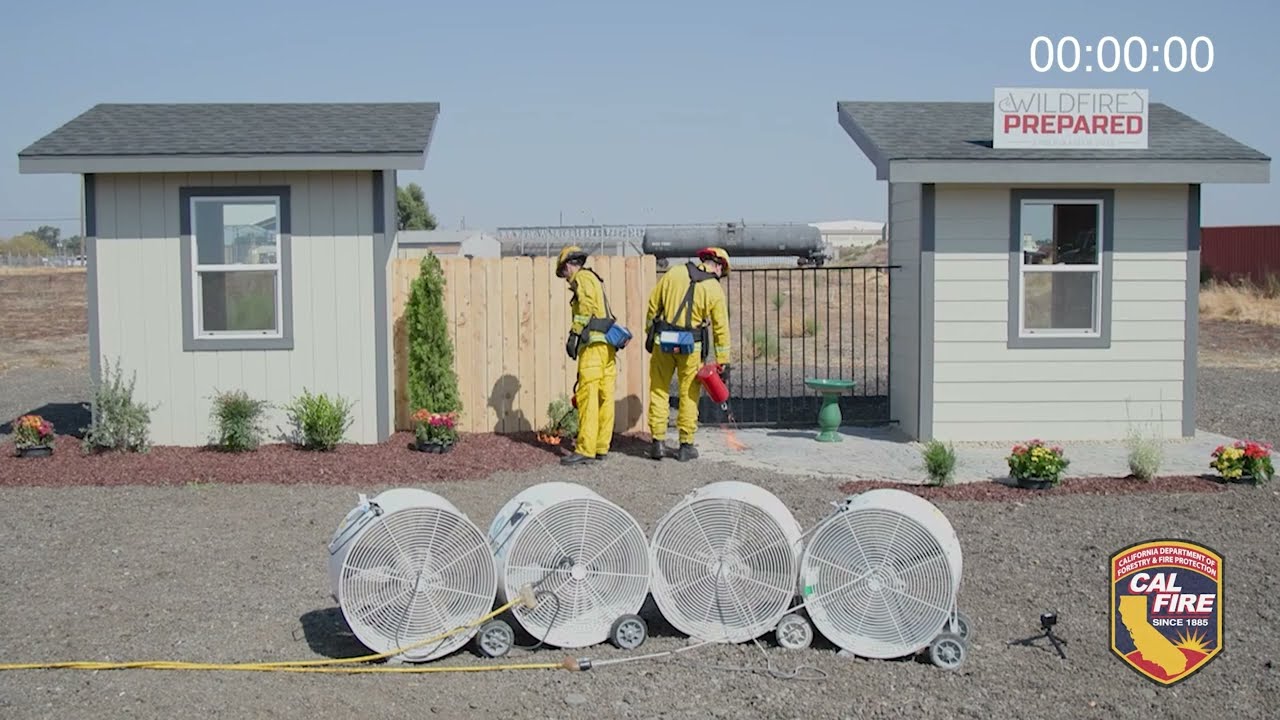
Image: Ready for Wildfire / CAL FIRE (readyforwildfire.org)
Zone 0: Ember-Resistant Zone (0–5 Feet)
This is the most critical zone and the one most often overlooked. The area immediately surrounding your home should use only non-combustible materials, no bark mulch, no dead vegetation, no stored firewood. Gravel, stone, or concrete pathways are ideal. This zone is where embers land and ignite the materials that ultimately burn your home.
Key Actions:
- Remove all dead vegetation and debris
- Replace wood mulch with gravel or stone within 5 feet
- Ensure no combustible items are stored against the structure
- Clean gutters and roof valleys regularly
- Move firewood storage well beyond 30 feet from structures
Zone 1: Lean, Clean, & Green (5–30 Feet)
In this "lean, clean, and green" zone, the goal is to reduce fuel density and create separation between vegetation and your structure. Well-irrigated, fire-resistant plants are appropriate here, but spacing matters. Trees should be pruned up 6–10 feet from the ground, and the distance between tree canopies and your roof should be at least 10 feet.
Key Actions:
- Space shrubs and trees to create fuel breaks
- Prune trees up 6–10 feet from ground level
- Remove ladder fuels (vegetation that allows fire to climb from ground to canopy)
- Keep grass mowed to 4 inches or less
- Ensure tree canopies are at least 10 feet from structures and other tree canopies
Zone 2: Reduced Fuel Zone (30–100 Feet)
The extended defensible space zone focuses on reducing the intensity of an approaching fire. This does not mean removing all vegetation. It means managing it. Reduce horizontal continuity of fuel, create spacing between trees and large shrubs, and remove dead material. On sloped lots, common throughout the Sonoma County hills, this zone may need to extend further downhill.
Key Actions:
- Create spacing between trees (10 feet between canopies on flat ground, more on slopes)
- Remove dead trees, branches, and accumulated ground litter
- Cut back brush and tall grass annually
- Thin dense stands of trees to reduce crown fire potential
- Consider slope: for every 10% increase in slope, add 10 feet to this zone
Defensible Space in Sonoma County: Local Considerations
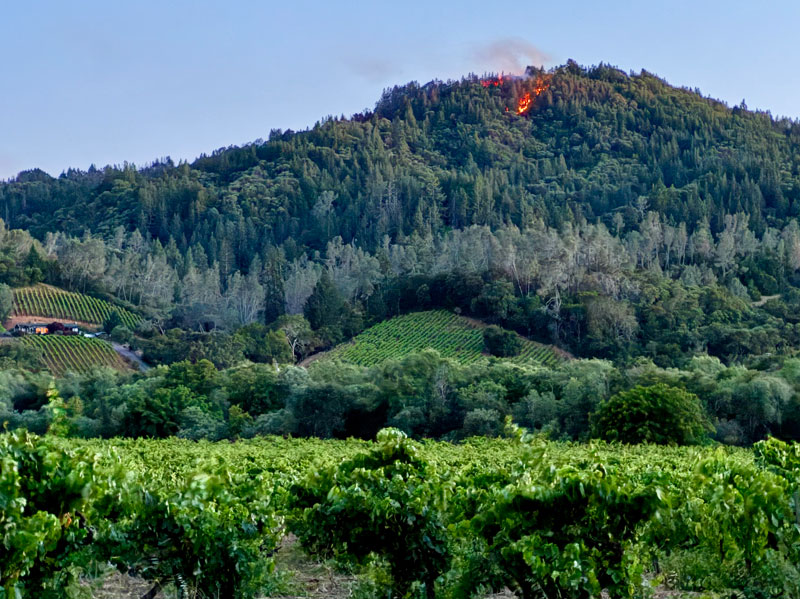
Sonoma County presents unique defensible space challenges that generic state guidelines do not fully address. Our region features a mix of oak woodlands, redwood forests, grasslands, and chaparral, each with different fire behavior characteristics. The steep terrain in areas like Mark West Springs, Calistoga Road, and the hills above Glen Ellen means fire travels faster uphill, requiring extended defensible space zones on slopes.
The Diablo and Foehn wind events that periodically sweep through our region create extreme fire conditions. During the October 2017 Tubbs Fire, wind-driven embers traveled up to a mile ahead of the fire front, landing on roofs and in gutters miles from the main fire. This is why Zone 0 management and gutter maintenance are so critical in our area, it is not enough to simply clear vegetation; you must ensure there is nothing for embers to ignite when they land.
Many Sonoma County properties also have heritage oaks and other mature trees that homeowners want to preserve. Defensible space does not mean removing every tree. It means strategic management: limbing up lower branches, creating canopy separation, removing dead material, and ensuring that the trees near your home are healthy and maintained. We help you find the right balance between fire safety and preserving the landscape that makes living in Sonoma County special.
For properties in designated State Responsibility Areas (SRA) and Local Responsibility Areas (LRA) with Very High Fire Hazard Severity Zones, which includes much of the unincorporated hills and many neighborhoods in Santa Rosa, Petaluma, and Sonoma, compliance with PRC 4291 is not optional. Our assessment helps you understand your obligations and exceed minimum requirements in ways that meaningfully reduce risk.
Fire-Resistant Landscaping for Wine Country
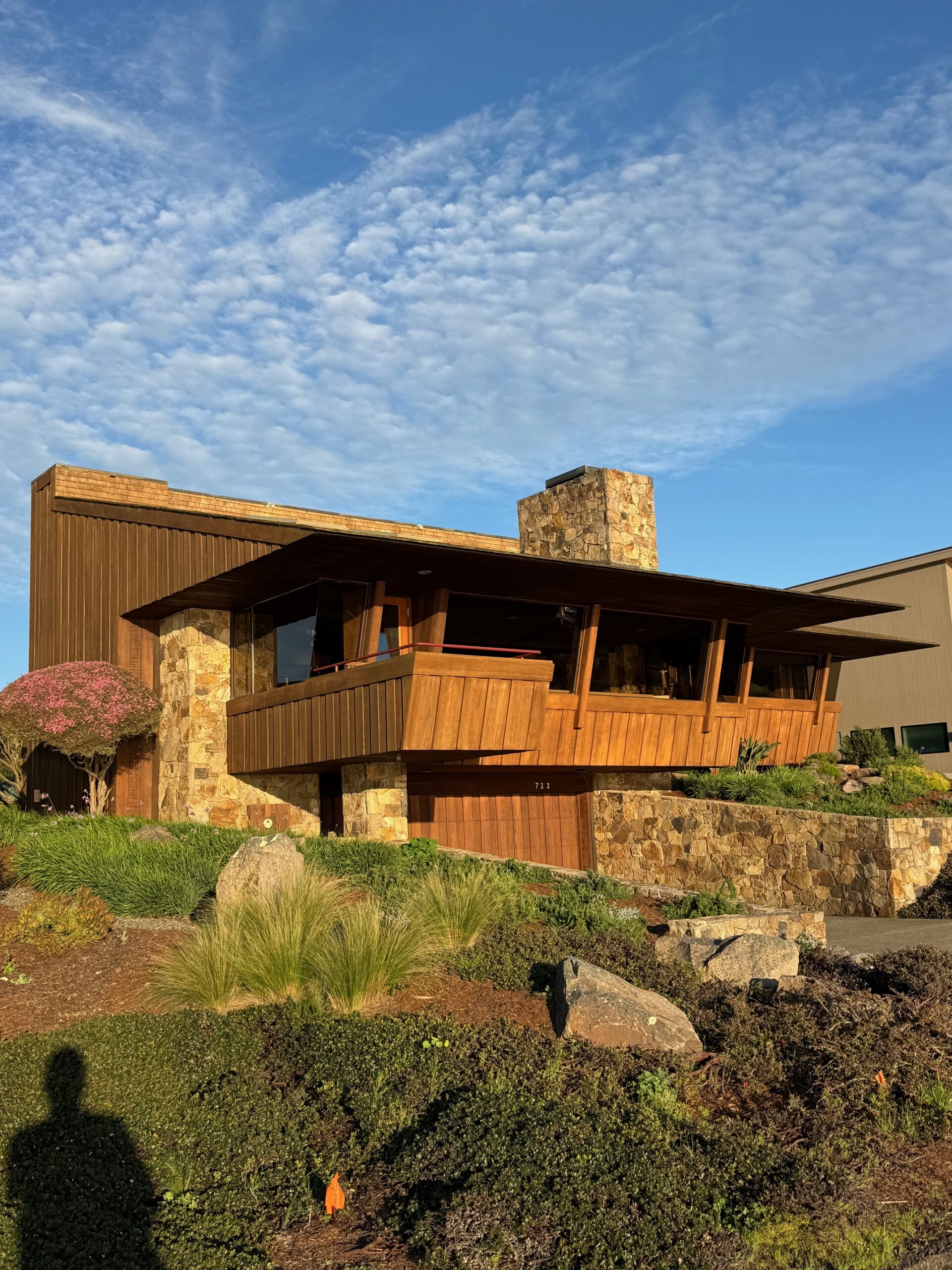
Creating defensible space does not mean sacrificing a beautiful landscape. Many California native and Mediterranean plants are naturally fire-resistant and thrive in Sonoma County's climate without excessive watering.
Fire-resistant plants tend to have high moisture content, grow close to the ground, have open branching habits, and do not accumulate dead material within the plant. Examples well-suited to our area include:
- Ground covers: Ceanothus (low-growing varieties), native sedges, creeping sage
- Shrubs: Toyon, coffeeberry, redbud, manzanita (properly spaced)
- Trees: Coast live oak (maintained), California buckeye, madrone
- Perennials: Lavender, rockrose, California fuchsia, yarrow
Plants to Avoid Near Structures
Some common landscaping plants are highly flammable and should not be planted within 30 feet of structures:
- Italian cypress (extremely flammable when dry)
- Juniper (high oil content, volatile)
- Monterey pine (resinous, drops needles)
- Pampas grass (extremely flammable plumes)
- Eucalyptus (high oil content, bark sheds)
- Acacia (highly combustible)
Defensible Space Questions
Answers to common questions from Sonoma County property owners
Real-world lessons on defensible space from recent wildfires
Find Out What Threatens Your Property
Get a prioritized action plan that covers your defensible space, structure, and surrounding landscape. We show you exactly what to fix first.
Schedule Your Wildfire Assessment