
Structural Protection
Home Hardening: Protecting Your Structure from Wildfire
Research consistently shows that most homes that burn in wildfires are ignited by embers, not direct flame contact. Home hardening focuses on strengthening your structure's ability to resist ember attack, radiant heat, and small flames, making it significantly more likely to survive a wildfire event.
At Wildfire Mitigation Advisors, our assessments identify your home's specific structural vulnerabilities and provide prioritized recommendations so you can make the improvements that matter most, in the right order, within your budget.
How Homes Actually Ignite During Wildfires
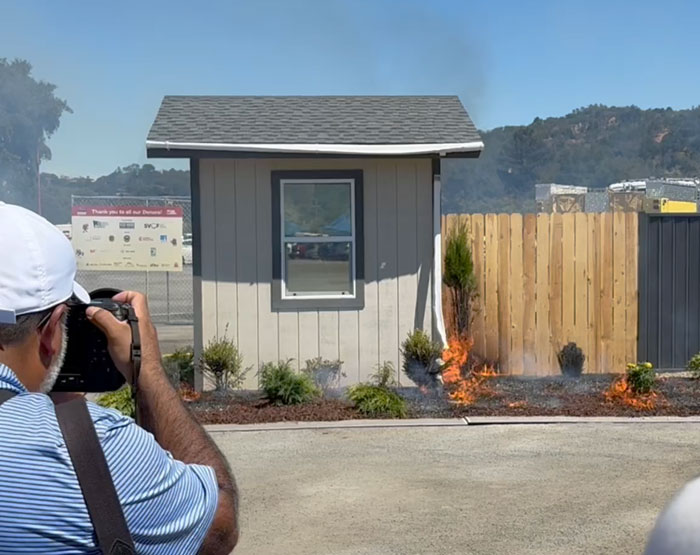
The image most people have of wildfire, a wall of flames consuming everything in its path, is not how most homes are lost. According to research by the Insurance Institute for Business & Home Safety (IBHS) and post-fire assessments conducted after California's most destructive wildfires, the majority of structure ignitions result from one of three mechanisms:
90%
Ember Attack
Wind-blown embers (firebrands) landing on or near combustible materials, in gutters, on roofs, through vents, under decks, against fencing
~5%
Radiant Heat
Intense heat from nearby burning vegetation or structures igniting combustible exterior materials through thermal radiation
~5%
Direct Flame
Actual flame contact from burning vegetation, fencing, or adjacent structures reaching the home
This is why home hardening is so effective. By addressing the specific pathways through which embers enter and ignite your home, vents, gutters, eaves, under-deck areas, fence-to-structure connections, you dramatically reduce your home's vulnerability even if a wildfire burns through your surrounding area.
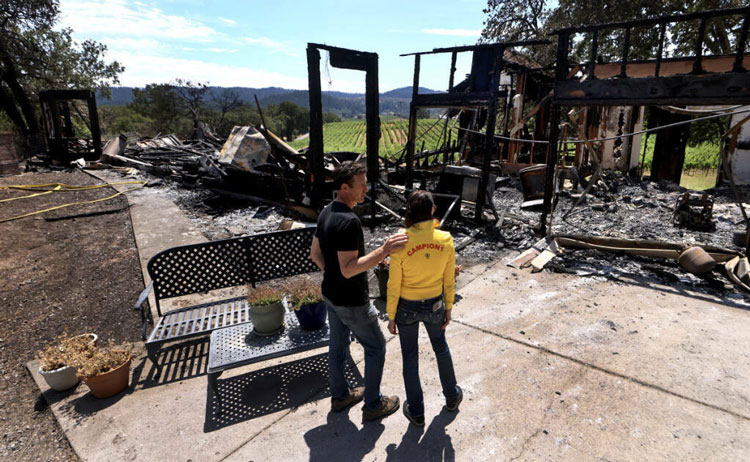
During the 2017 Tubbs Fire in Santa Rosa, homes that had been properly hardened and maintained defensible space survived while neighboring homes were destroyed. The evidence is clear: home hardening works.
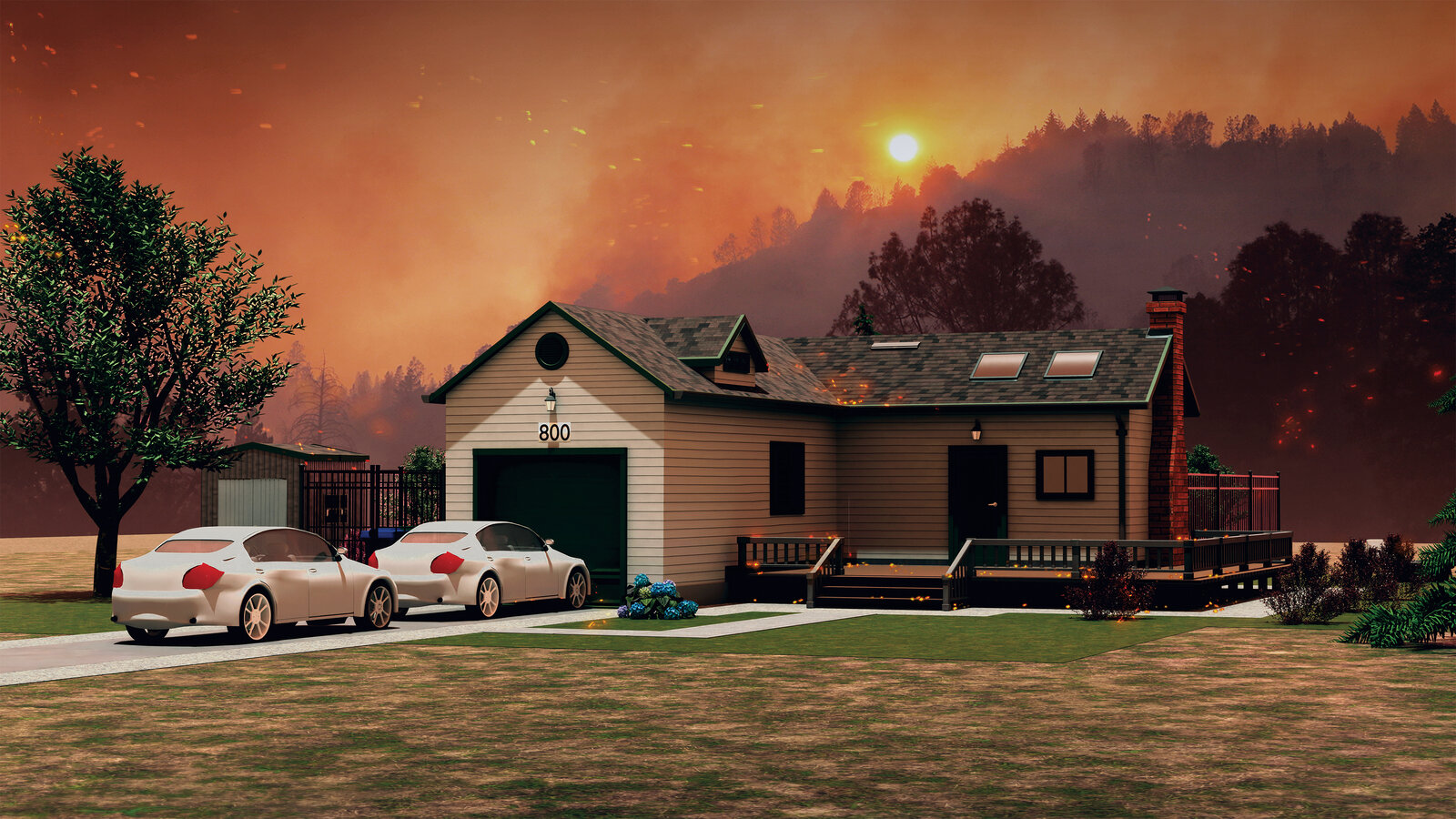
Image: CAL FIRE (fire.ca.gov)
Home hardening means upgrading your home's building materials and construction details so the structure itself can resist ember attack, radiant heat, and small flames. Research from IBHS shows that ember intrusion, not direct flame contact, causes most wildfire home losses. For homeowners in Santa Rosa, Sebastopol, and throughout western Sonoma County, targeted hardening improvements are among the most effective steps you can take.
WMA assesses and prioritizes. We do not perform this work or profit from it, so the recommendations in your report reflect only what your property actually needs.
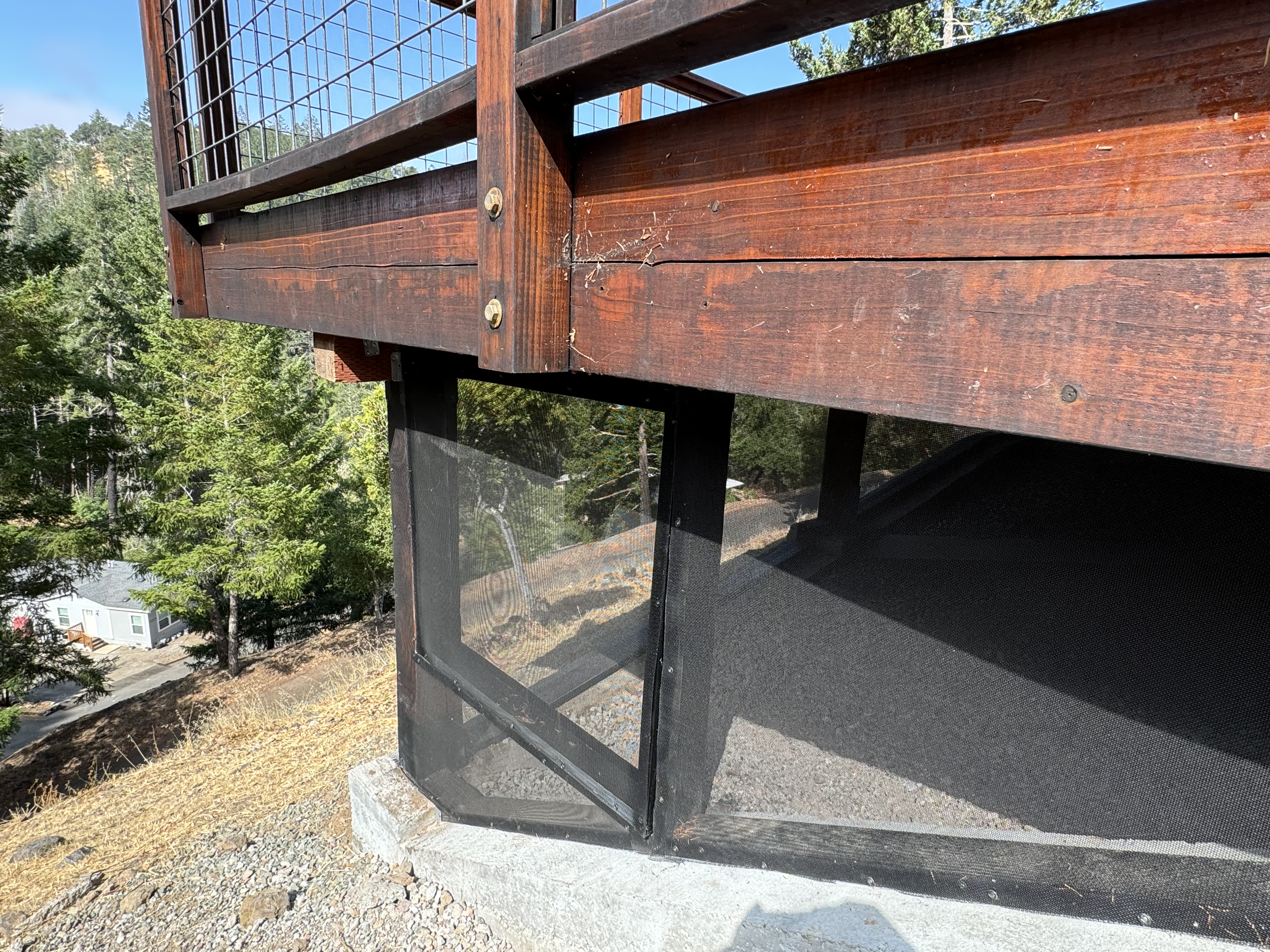
Ember-resistant screening installed under a wood deck prevents ignition from below. This is what proper hardening looks like in practice.
Key Home Hardening Areas
Our assessment evaluates each of these areas on your specific home and prioritizes recommendations based on your greatest vulnerabilities.
Roof & Gutters
Highest PriorityYour roof is the most vulnerable surface on your home during a wildfire. Embers accumulate in roof valleys, gutters, and where debris collects. A Class A fire-rated roof is essential, composition shingle, metal, concrete tile, or clay tile all qualify. Equally important: keep gutters clean and consider gutter guards to prevent debris accumulation.
Recommendations:
- Install or verify Class A fire-rated roofing material
- Install metal gutter guards or maintain clean gutters year-round
- Seal gaps where roof meets siding or chimney with fire-resistant caulking
- Clear roof valleys and areas where debris collects regularly
Vents & Openings
CriticalUnscreened or improperly screened vents are one of the primary ways embers enter homes. During high-wind fire events like those we experience in Sonoma County, embers can be driven horizontally into soffit vents, ridge vents, gable vents, and foundation vents. IBHS research shows that 1/8-inch metal mesh screening is the standard that effectively blocks ember intrusion while maintaining necessary ventilation.
Recommendations:
- Screen all vents with 1/8-inch corrosion-resistant metal mesh
- Inspect soffit, ridge, gable, and foundation vents
- Consider ember-resistant vents for highest-risk areas
- Seal any gaps or cracks in exterior walls and around penetrations
Windows & Skylights
High PrioritySingle-pane windows can break from radiant heat exposure during a wildfire, allowing embers and flames to enter your home. Dual-pane tempered glass windows are significantly more resistant to heat. Skylights should also be tempered glass. The area within 5 feet of windows should be free of combustible materials.
Recommendations:
- Upgrade to dual-pane tempered glass where feasible
- Prioritize windows facing slopes or wildland areas
- Ensure window screens are metal, not fiberglass
- Keep combustible materials away from window areas
Siding & Exterior Walls
ImportantNon-combustible siding materials, stucco, fiber cement (e.g., HardiePlank), stone, brick, or metal, provide excellent protection against radiant heat and direct flame contact. If you have wood siding, the area from ground level to 6 inches should be non-combustible, as this is where embers accumulate against the structure.
Recommendations:
- Evaluate current siding material and condition
- Consider non-combustible alternatives for highest-risk walls
- Ensure no gaps between siding and foundation where embers can lodge
- Replace or repair damaged or warped siding sections promptly
Decks, Fencing & Attachments
Commonly OverlookedCombustible fencing that attaches directly to your home creates a direct pathway for fire to reach your structure. This is one of the most common vulnerabilities we identify in our Sonoma County assessments. The solution: replace the first 5 feet of fencing nearest to the home with non-combustible material (metal, concrete block). Similarly, decks, especially the area underneath, are frequent ignition points.
Recommendations:
- Replace combustible fencing within 5 feet of home with metal or masonry
- Clear all combustible storage and debris from under decks
- Consider composite or non-combustible decking for areas adjacent to the home
- Enclose the underside of elevated decks with 1/8-inch metal mesh
Eaves & Soffits
ImportantOpen eaves allow embers to collect in the junction where the roof meets the exterior wall, one of the most vulnerable points on a structure. Boxing in (enclosing) open eaves with non-combustible material is a relatively straightforward improvement with significant fire protection benefit.
Recommendations:
- Enclose open eaves with fire-resistant materials
- Inspect existing soffits for gaps, cracks, or deterioration
- Ensure soffit vents are properly screened with 1/8-inch mesh
- Consider ignition-resistant or non-combustible soffit material
Home Hardening Questions
Answers to common questions about protecting your home from wildfire
How embers, wind, and construction type determine whether homes survive wildfire

Find Out What Threatens Your Property
We identify your specific structural vulnerabilities, prioritize the fixes, and give you a clear path forward so you know exactly where to start.
Schedule Your Wildfire Assessment