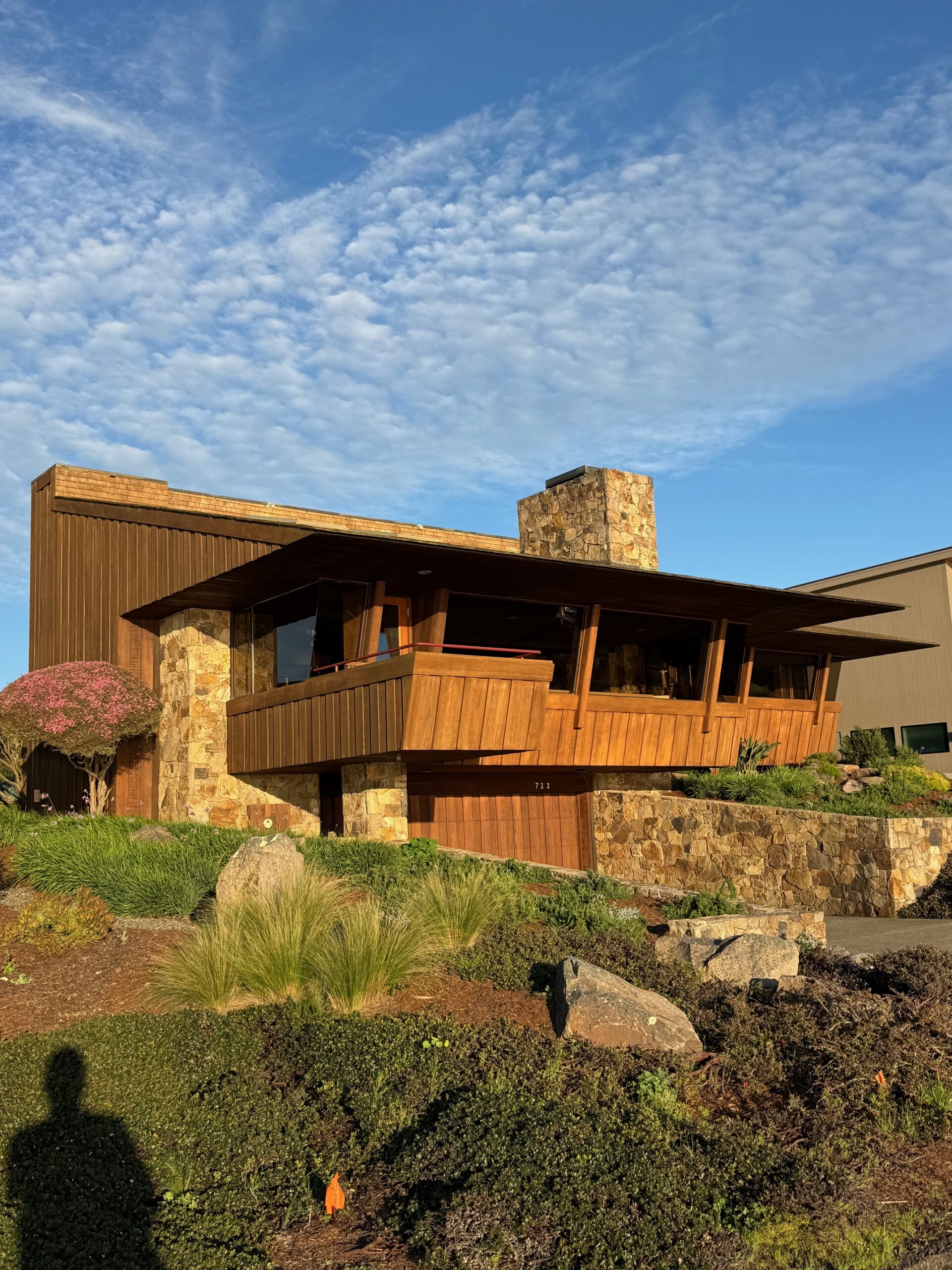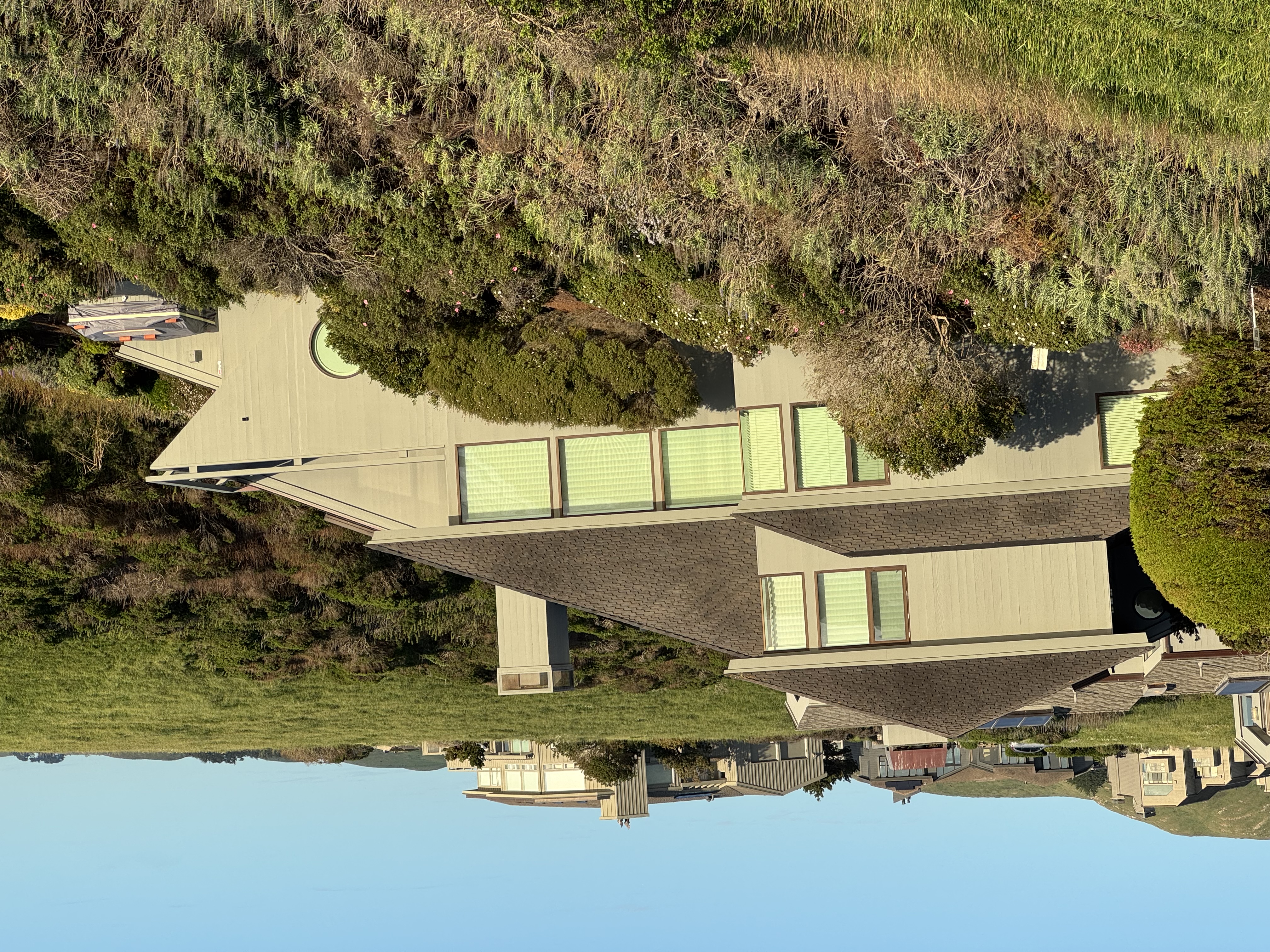

Sonoma County landscape, Wildfire Mitigation Advisors service area

Insurance Preparation

Wildfire Insurance Inspections

Insurance companies are increasingly conducting wildfire risk inspections before writing or renewing policies in fire-prone areas. At Wildfire Mitigation Advisors, we help Sonoma County homeowners understand what insurers look for, prepare for inspections, and document their mitigation efforts to maintain or regain coverage.

A wildfire insurance inspection is an on-site evaluation that insurance companies use to assess your property's fire risk before writing or renewing a policy. Inspectors look at your defensible space, roof condition, vent screening, and structural materials. For homeowners in Santa Rosa, Sebastopol, and the Sonoma County hills, knowing what inspectors evaluate and preparing in advance can make the difference between keeping your policy and receiving a non-renewal notice.

WMA assesses and prioritizes. We do not perform this work or profit from it, so the recommendations in your report reflect only what your property actually needs.

What Insurance Inspectors Evaluate

Insurance companies evaluate your property's wildfire risk through several categories. Understanding what they look for helps you prepare effectively. Here is the inspection checklist we recommend addressing before any insurance visit.
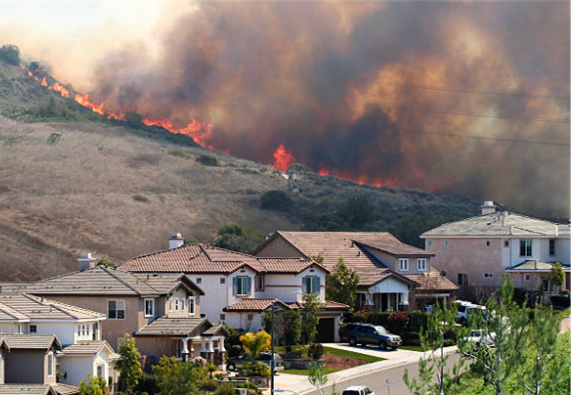
Wildfire approaching homes on a hillside, the scenario insurance inspectors assess properties against

Image: California Office of the State Fire Marshal (osfm.fire.ca.gov)

Defensible Space

Zone 0 (0–5 ft) clear of all combustible materials
Zone 1 (5–30 ft) properly maintained with spaced, irrigated vegetation
Zone 2 (30–100 ft) thinned and managed
No dead vegetation, fallen leaves, or accumulated debris

Roof & Gutters

Class A fire-rated roofing in good condition
Gutters clear of debris
No overhanging branches within 10 feet of roof
No moss, leaves, or pine needles in roof valleys

Vents & Openings

All vents screened with 1/8-inch metal mesh
No visible gaps or cracks in exterior walls
Chimney screened with spark arrestor
Dryer and other exhaust vents properly screened

Structure & Attachments

Siding in good repair, no gaps or deterioration
Eaves enclosed (boxed in)
Deck area clear of combustible storage
No combustible fencing directly attached to home

Access & Water

Address clearly visible from the road
Driveway accessible for emergency vehicles
Vegetation cleared along driveway and access roads
Water supply information readily available

How Wildfire Mitigation Advisors Helps with Insurance

Our role is not to represent you to your insurance company, we are not insurance agents or adjusters. What we provide is something equally valuable: an independent, professional, documented evaluation of your property's wildfire risk by a Certified Wildfire Mitigation Specialist (CWMS).

This documentation serves multiple purposes:

Pre-Assessment Preparation

We identify everything an insurer will evaluate and help you address deficiencies before the assessment, not after a non-renewal notice.

Photographic Evidence

Your assessment report includes photographs documenting your property's current condition and the improvements you have made.

Prioritized Action Plan

Our report gives you a clear roadmap for making the improvements that matter most to both wildfire safety and insurance eligibility.

CWMS Credibility

A report from a Certified Wildfire Mitigation Specialist carries weight with underwriters because it represents a professional, standardized evaluation.

We also assist with Firewise USA community designations, which many insurance carriers recognize and may honor with rate discounts. If you are part of an HOA or neighborhood group, community-level mitigation can benefit every property in the area.

Insurance Inspection Questions

What Sonoma County homeowners need to know about wildfire insurance inspections

Insurance inspections for wildfire risk typically evaluate three categories: your defensible space, your home's structural features, and your property's overall fire environment (slope, vegetation type, proximity to wildland). Here is how to prepare: 1. Clean up Zone 0 thoroughly: Remove all combustible materials within 5 feet of your home. This includes wood mulch, dead plants, stored items, and debris. This is the first thing an inspector sees. 2. Clear gutters and roof: Clean all debris from gutters, roof valleys, and around skylights. This takes an hour and makes an immediate visual impact. 3. Mow and rake: Cut grass to 4 inches or less, rake up fallen leaves and dead material, and clear brush within your defensible space zones. 4. Check your vents: Ensure all vents have proper 1/8-inch mesh screening. If any are damaged or missing screens, address this before the inspection. 5. Move combustible items: Relocate firewood, lumber, propane tanks, and stored combustible materials at least 30 feet from structures. 6. Address obvious structural issues: If you have damaged siding, gaps in eaves, or deteriorated fencing attached to the home, repair or replace these items. 7. Document your efforts: Take photos of your improvements and keep receipts for any work performed. Having a professional assessment report from a CWMS demonstrates your commitment to mitigation. Most importantly: do not wait until you receive notice of inspection. Maintain your property year-round. An insurer can visit or request photos at any time.
When it comes to both wildfire protection and insurance value, these improvements consistently provide the best return on investment: 1. Zone 0 cleanup ($0–$500): Clearing the 0–5 foot area around your home of all combustible materials costs very little but addresses the single most common ignition pathway. This is the highest-ROI improvement you can make. 2. Vent screening ($500–$2,500): Installing 1/8-inch metal mesh on all vents prevents ember intrusion. Relatively inexpensive and addresses a critical vulnerability that insurers specifically look for. 3. Gutter guards and maintenance ($800–$3,000): Clean gutters with guards prevent ember accumulation on your roof line. Insurers check this. 4. Combustible fence replacement at home ($500–$2,000): Replacing just the 5-foot section of wood fence where it attaches to your home with metal or masonry. Low cost, high impact. 5. Defensible space maintenance ($500–$3,000/year): Annual vegetation management is an ongoing investment but is essential for both fire safety and insurance renewability. 6. Class A roof ($15,000–$40,000+): If you are due for a roof replacement, upgrading to Class A fire-rated material is an investment that pays dividends in both protection and insurance eligibility. Many insurers will not write policies on non-Class A roofs in fire areas. Compared to the cost of FAIR Plan premiums (often $5,000–$15,000+ per year versus $2,000–$5,000 for standard coverage), the savings from returning to the standard market can pay for mitigation improvements within 1–3 years. Our assessment helps you identify which improvements will have the greatest impact on your specific property and insurance situation.

Find Out What Threatens Your Property

Do not wait for a non-renewal notice. We identify your property's risks, prioritize the fixes, and give you a clear action plan to stay ahead of insurance requirements.

Schedule Your Wildfire Assessment